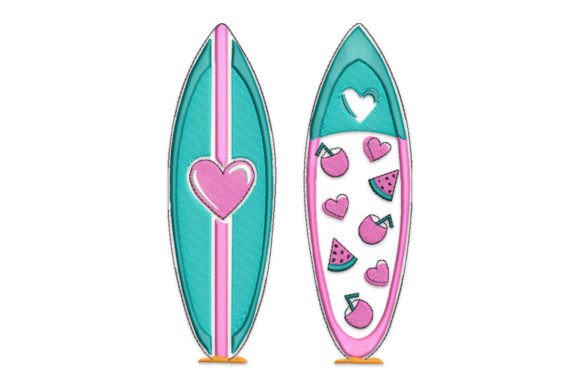
Surf Boards Embroidery Design Review
As an experienced embroidery designer, I recently came across the Surf Boards machine embroidery design and wanted to put it under the microscope for its potential in small business merch. This design, described as a Summer Embroidery Design, promises to add a touch of charm to fabrics like towels, pillows, and home decor. But how does it translate into branded merchandise for real-world use?
First Impressions: A Cool and Playful Design
The first thing that stands out about Surf Boards is its playful yet professional vibe. The name alone suggests a carefree, summery feel, which aligns well with businesses looking to evoke a sense of relaxation or fun. The design appears modern and clean, with soft curves and a layout that feels both elegant and approachable.
This makes it a great fit for brands targeting younger audiences, summer-themed shops, or any business aiming to infuse their merchandise with a bit of personality. It doesn’t scream loud or feel overly complex, making it versatile enough for various applications.
Real Business Use: Where Surf Boards Shines
Surf Boards can be effectively used in several ways for small business owners:
- Embroidered Patches: As a standalone patch, this design adds visual interest to backpacks, jackets, or even custom tote bags. Its simplicity allows it to stand out without overwhelming the fabric.
- Staff Uniforms: When stitched on work shirts or aprons, it brings a subtle but memorable brand element that reflects a fun, approachable company culture.
- Cap Embroidery: The design’s clean lines make it suitable for cap fronts, especially when using a limited thread color palette to ensure clarity at smaller sizes.
- Tote Bag Design: Used as a chest logo accent or sleeve detail, it adds a unique branding touch that customers will notice and remember.
- Boutique Merchandise: Whether on pillow covers, throw blankets, or decorative items, Surf Boards elevates the handmade presentation of your product line.
- Customer Gifts: Incorporating this design into gift items like keychains or mini flags can help reinforce brand identity through every customer interaction.
For businesses in the handmade or craft space, this design supports a cohesive look while maintaining a premium feel. It's also a strong candidate for printable mockups that can be shared with clients or used in marketing materials.
Design Limitations and Considerations
While Surf Boards has many strengths, there are some limitations to consider before using it for commercial projects:
- Small Patch Sizes: Due to its details, the design may lose clarity when scaled down too much. Testing it in black and white first can help identify potential issues.
- Curved Surfaces: If you plan to stitch it on caps or curved areas, ensure the design maintains its integrity and doesn’t distort visually.
- Thread Color Contrast: Always check if the thread colors match your brand palette and provide sufficient contrast against the fabric background.
- Fabric Texture: Textured fabrics like canvas or denim might require additional stabilizer to prevent puckering or distortion.
- High Stitch Density: Avoid using it on items that need frequent washing unless the stitch density is optimized for durability.
These considerations are crucial for ensuring the finished product looks polished and professional across all applications.
Impact on Brand Identity and Customer Perception
The Surf Boards design contributes positively to brand identity by reinforcing a consistent visual theme. Its playful nature helps build customer trust and recognition, especially when used consistently across small business merch like uniforms, packaging, or promotional items.
When applied to custom apparel or handmade products, this design enhances the product value and gives your brand a distinct edge in competitive markets. It also encourages buyer engagement by creating a memorable experience associated with your brand.
Practical Embroidery Designer Notes
Before finalizing Surf Boards for production, here are some practical tips for embroidery designers and small business owners:
- Test in Black and White: Confirm the design’s clarity and proportions before committing to full-color embroidery.
- Check Small Patch Size: Ensure the design remains legible and recognizable when scaled down for patches or caps.
- Review Thread Color Contrast: Select thread colors that complement your brand and fabric choice.
- Inspect Spacing and Outlines: Make sure there is enough spacing between elements and that outlines are crisp.
- Confirm Hoop Size: Choose the appropriate hoop size to avoid stretching or distorting the design.
- Test on Real Fabric: Always test the design on actual fabric before large-scale production.
- Use Proper Stabilizer: Especially important on textured or stretchy fabrics to maintain the design’s shape.
- Create a Mockup: Share a printable mockup with clients for approval and alignment with your brand’s visual standards.
- Compare with Other Assets: Ensure Surf Boards matches other design assets in terms of style, scale, and color.
- Confirm Commercial Licensing: Verify that the digital embroidery file is properly licensed for commercial use before production.
By following these steps, you’ll ensure that Surf Boards performs well in commercial embroidery and delivers the desired impact on your brand identity.
Final Thoughts: A Versatile Addition to Your Merch Collection
In conclusion, Surf Boards is a versatile and appealing machine embroidery design that can enhance a wide range of small business merch and custom apparel. While it may not be suitable for every application, with proper planning and testing, it can become a valuable asset in your branding toolkit.
Whether you're a small café owner, Etsy seller, or handmade brand, this design offers a fresh way to express your brand’s personality through embroidered patches, cap embroidery, or tote bag designs. Just remember to test, review, and confirm everything before moving forward with production.